


Arts/Performing Arts play a powerful role in human life because they help people express feelings, share stories, and connect with others. From ancient rituals to modern concerts, Arts/Performing Arts have shaped culture, education, and entertainment across the world. Although technology has changed how we enjoy performances, the heart of Arts/Performing Arts remains the same: people telling stories through movement, music, voice, and emotion. Therefore, in this complete guide, you will learn what Arts/Performing Arts mean, why they matter, how they developed, and how they continue to grow in today’s world.
What Are Arts/Performing Arts?
Arts/Performing Arts refer to creative activities where artists perform in front of an audience. Unlike visual arts, which create objects like paintings or sculptures, Arts/Performing Arts focus on live expression. For example, theater actors perform on stage, dancers move to music, and musicians play instruments for listeners. Because these forms happen in real time, they create a strong emotional connection between performers and the audience. As a result, every performance feels special and unique.
The History of Arts/Performing Arts
Arts/Performing Arts began thousands of years ago, and they developed in many cultures around the world. In ancient Greece, people built large theaters for drama festivals. Meanwhile, in Asia, traditional dance and storytelling played a major role in religious ceremonies. Over time, these early performances grew into more structured forms such as opera, ballet, and modern theater. Therefore, Arts/Performing Arts reflect history, beliefs, and social change in every society.
Major Types of Arts/Performing Arts
Arts/Performing Arts include several main categories, and each one offers a different experience. Theater focuses on acting and storytelling. Dance uses body movement to express emotion. Music combines rhythm and melody to create sound experiences. Opera blends singing, music, and drama into one powerful show. In addition, performance art mixes many elements to explore modern ideas. Because of this variety, Arts/Performing Arts reach people with different tastes and interests.
Theater in Arts/Performing Arts
Theater stands at the heart of Arts/Performing Arts because it tells stories through live acting. Actors rehearse scripts, learn their roles, and perform on stage. Moreover, directors guide the creative vision, while stage designers create sets and costumes. As the lights rise and the audience watches, a simple stage becomes a different world. Therefore, theater teaches empathy, imagination, and communication skills.
Dance in Arts/Performing Arts
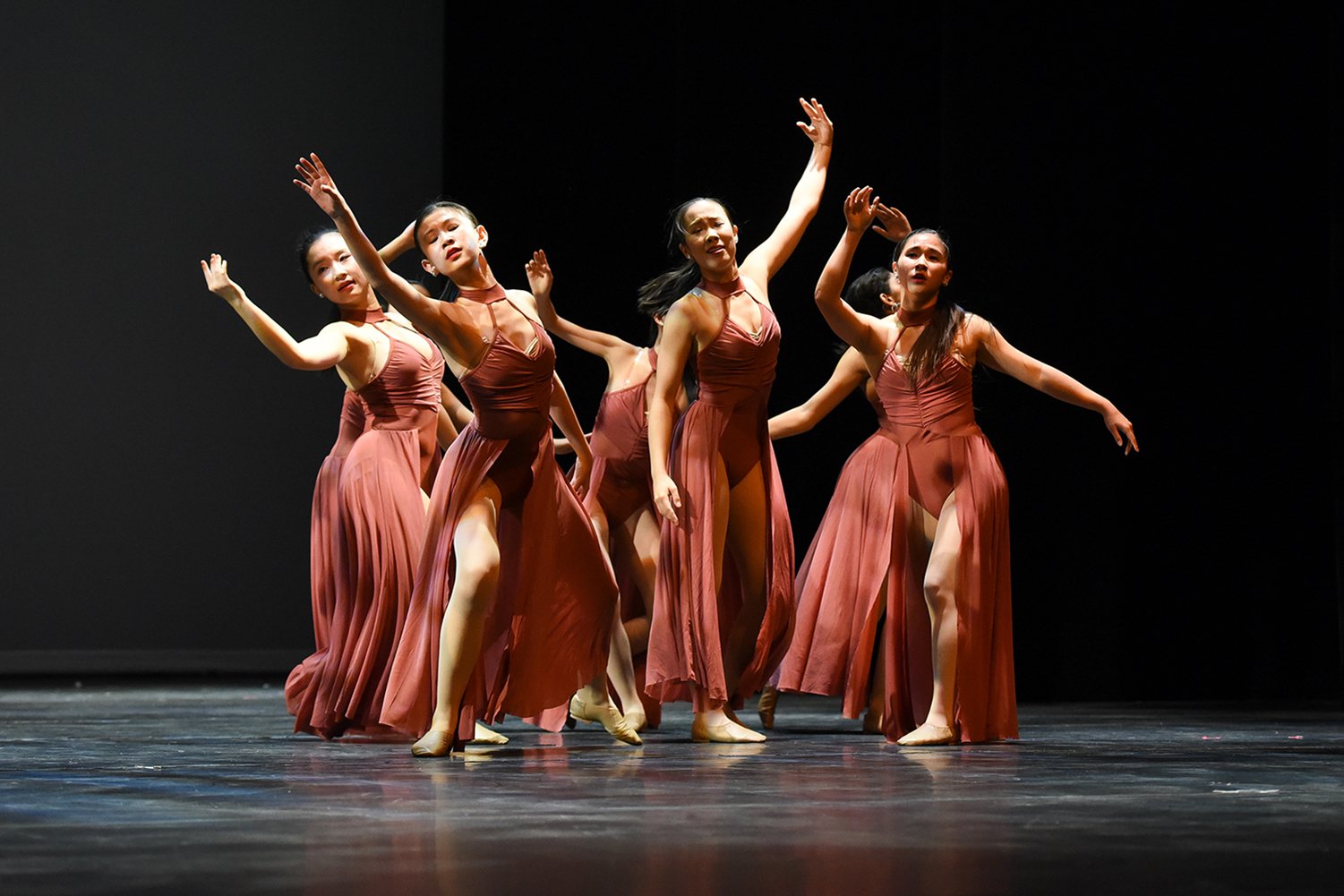
Dance is another essential part of Arts/Performing Arts because it uses movement instead of words. Ballet, hip-hop, contemporary, and traditional dances each tell stories in unique ways. For example, ballet often shows fairy tales, while hip-hop reflects urban culture. Because dancers train their bodies carefully, they build strength and discipline. As a result, dance supports both physical health and creative expression.
Music in Arts/Performing Arts
Music plays a powerful role in Arts/Performing Arts because it connects directly to emotion. Musicians perform solo or in groups such as bands and orchestras. In addition, singers use their voices to express joy, sadness, or hope. Whether people attend a classical concert or a pop show, they share a common emotional experience. Therefore, music builds unity and cultural identity.
Opera and Musical Theater in Arts/Performing Arts
Opera and musical theater combine different forms of Arts/Performing Arts into one performance. Opera focuses on dramatic singing with orchestral music. Meanwhile, musical theater mixes dialogue, dance, and songs. Because these genres require strong acting and vocal skills, performers train for many years. As a result, audiences enjoy rich stories supported by powerful music and movement.
Why Arts/Performing Arts Matter in Society
Arts/Performing Arts matter because they reflect social values and inspire change. For instance, many plays address issues such as equality, freedom, and justice. Likewise, music often speaks about love, struggle, and dreams. Because artists share real experiences, audiences feel understood and inspired. Therefore, Arts/Performing Arts encourage discussion and community growth.
Educational Benefits of Arts/Performing Arts
Arts/Performing Arts help students grow in many ways. First, students learn teamwork during rehearsals. Second, they build confidence by performing in front of others. Moreover, they improve memory by learning scripts or choreography. As a result, Arts/Performing Arts support academic success and personal development. Many schools include drama, music, and dance programs because they know creativity supports learning.
Emotional and Mental Health Benefits of Arts/Performing Arts
Arts/Performing Arts also improve mental health. When people perform or watch a show, they release stress. In addition, creative expression allows people to share feelings safely. Because of this, therapists sometimes use drama or music therapy to support healing. Therefore, Arts/Performing Arts provide both entertainment and emotional support.
Economic Impact of Arts/Performing Arts
Arts/Performing Arts contribute to the economy as well. Theaters, concert halls, and festivals create jobs for performers, technicians, designers, and marketers. Moreover, tourists travel to cities known for cultural events. For example, large music festivals attract thousands of visitors each year. As a result, Arts/Performing Arts support local businesses and national economies.
Careers in Arts/Performing Arts
Many people dream of working in Arts/Performing Arts, and there are many career paths available. Some become actors, dancers, or musicians. Others work behind the scenes as directors, producers, costume designers, or sound engineers. Because the industry requires teamwork, every role matters. Therefore, students interested in Arts/Performing Arts can explore creative and technical careers.
Training and Education for Arts/Performing Arts
Training plays a key role in Arts/Performing Arts. Many performers attend art schools or universities to develop skills. In addition, they practice daily to improve technique and confidence. Because competition can be strong, dedication and passion are essential. However, with hard work and persistence, many artists build successful careers.
Technology and Arts/Performing Arts
Technology has changed Arts/Performing Arts in many ways. For example, live performances now stream online, which allows global audiences to watch shows from home. Moreover, digital lighting and sound systems create more exciting stage effects. Although technology adds new tools, the human connection remains central. Therefore, Arts/Performing Arts continue to evolve while keeping their core purpose.
Community and Cultural Identity in Arts/Performing Arts
Arts/Performing Arts strengthen cultural identity. Traditional dances and songs preserve history and language. Meanwhile, community theaters bring neighbors together to create shared experiences. Because people celebrate festivals with performances, they build stronger bonds. As a result, Arts/Performing Arts protect heritage and encourage unity.
Challenges Facing Arts/Performing Arts
Arts/Performing Arts face challenges such as funding cuts and competition from digital entertainment. When budgets shrink, theaters struggle to survive. In addition, audiences sometimes prefer streaming content over live shows. However, many artists adapt by creating smaller productions or online performances. Therefore, innovation helps Arts/Performing Arts stay relevant.
Diversity and Inclusion in Arts/Performing Arts
Diversity improves Arts/Performing Arts because it brings new voices and stories to the stage. When people from different backgrounds share their experiences, audiences gain wider perspectives. Moreover, inclusive casting and storytelling promote fairness and understanding. As a result, Arts/Performing Arts become richer and more meaningful.
The Future of Arts/Performing Arts
The future of Arts/Performing Arts looks promising because creativity never stops. Young artists explore new styles, while experienced performers continue to inspire audiences. Additionally, global collaboration allows artists from different countries to work together. Therefore, Arts/Performing Arts will likely grow through innovation and cultural exchange.
How to Support Arts/Performing Arts
People can support Arts/Performing Arts in simple ways. First, they can attend local shows and concerts. Second, they can share performances on social media. Moreover, they can donate to community theaters or volunteer at events. Because every small action helps, communities can keep Arts/Performing Arts alive and strong.
Read more: Мобільний зв’язок в Україні – все, що потрібно знати для комфортного користування
Conclusion: The Lasting Power of Arts/Performing Arts
Arts/Performing Arts remain one of the most powerful forms of human expression. They connect people across cultures, ages, and languages. Moreover, they teach empathy, creativity, and teamwork. Although challenges exist, innovation and passion continue to drive growth. Therefore, Arts/Performing Arts will always play a vital role in society. When people gather to watch a play, listen to music, or enjoy a dance performance, they share a moment that feels alive and meaningful. Because of this lasting impact, Arts/Performing Arts deserve support, appreciation, and celebration for generations to come.