


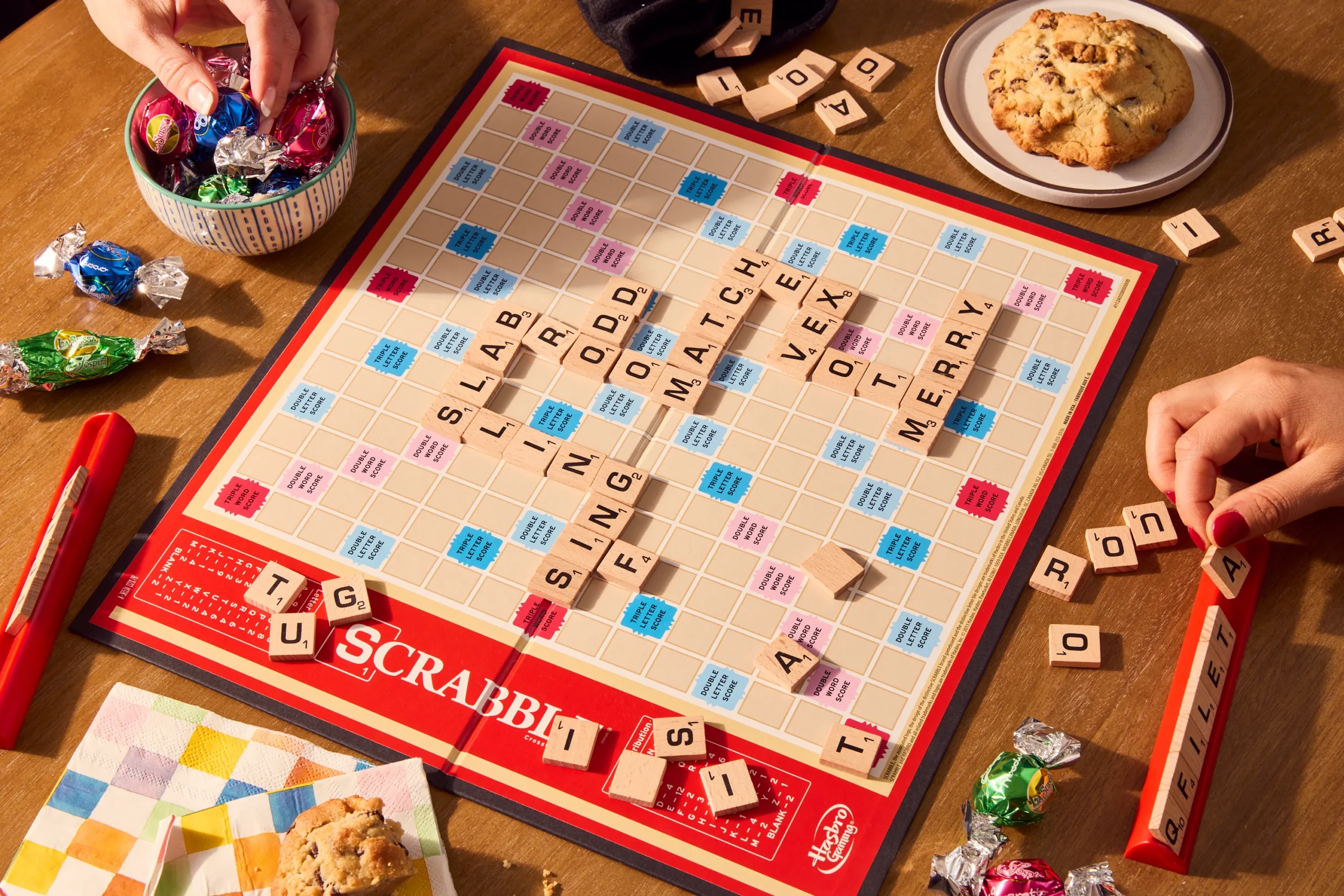
Games/Board Games bring people together in a way that few other activities can. From simple family nights to serious strategy battles, Games/Board Games create laughter, friendly competition, and lasting memories. While video games often keep players glued to screens, board games invite everyone to sit around a table, talk, think, and connect. Because of this, many families now choose board games as a healthy and fun way to spend time together.
Moreover, Games/Board Games continue to grow in popularity around the world. Although technology changes quickly, the joy of rolling dice, moving pieces, and planning clever strategies stays strong. As a result, both kids and adults enjoy board games more than ever. In this complete guide, you will learn everything about Games/Board Games, including their history, types, benefits, and tips for choosing the best one for your group.
What Are Games/Board Games?
Games/Board Games are tabletop games that players play on a flat surface, usually a board. While some games use cards, others use dice, tokens, or small figures. However, all Games/Board Games share one thing: players follow rules to reach a goal. Sometimes the goal is to earn the most money. Other times, players must capture territory or solve puzzles. Because of these clear goals, board games feel exciting and rewarding.
Additionally, Games/Board Games can be simple or complex. For example, some games take only 15 minutes, while others may last several hours. Therefore, you can easily find a board game that fits your time and skill level.
The History of Games/Board Games
Games/Board Games have existed for thousands of years. In fact, ancient people played board games long before computers were invented. For example, the ancient Egyptians played a game called Senet over 5,000 years ago. Similarly, people in ancient China and India created strategy games that still exist today.
As time passed, Games/Board Games became more organized and creative. During the 19th and 20th centuries, companies began producing board games for families. Because printing technology improved, more people could buy and enjoy them. Later, classic games like Monopoly and Scrabble became household names. Therefore, the history of board games shows how people have always loved friendly competition and fun challenges.
Popular Types of Games/Board Games
Strategy Games/Board Games
Strategy Games/Board Games focus on planning and smart decisions. Players must think ahead and predict what others will do. For example, chess requires careful planning, while Risk involves controlling territory. Because strategy games challenge the mind, they help players improve problem-solving skills.
Family Games/Board Games
Family Games/Board Games are simple, colorful, and easy to learn. These games usually have short rules and quick rounds. For instance, games like Candy Land or Connect Four are perfect for children. Since the rules are simple, everyone can join the fun.
Party Games/Board Games
Party Games/Board Games are loud, funny, and perfect for large groups. These games often include drawing, guessing, or acting. Because they focus on laughter rather than serious strategy, party games create a relaxed and joyful atmosphere.
Cooperative Games/Board Games
Cooperative Games/Board Games allow players to work together instead of competing. In these games, everyone shares a common goal. For example, players might work as a team to stop a disease or solve a mystery. Therefore, cooperative games teach teamwork and communication skills.
Why Games/Board Games Are Still Popular
Although digital games dominate many homes, Games/Board Games remain popular for several reasons. First, they encourage face-to-face interaction. While phones and tablets isolate people, board games bring them closer. Second, board games do not require electricity or internet. As a result, they work anywhere.
Furthermore, Games/Board Games offer variety. New games appear every year with creative themes and mechanics. Because designers continue to innovate, players always find something fresh and exciting.
Educational Benefits of Games/Board Games
Games/Board Games teach important skills in a fun way. For example, children learn math when they count spaces or manage game money. Meanwhile, they improve reading skills when they follow instructions. Because learning feels like play, kids stay engaged.
In addition, strategy games develop critical thinking. Players must analyze situations and choose the best move. As a result, they strengthen their brains while having fun. Moreover, board games teach patience, fairness, and good sportsmanship.
Social Benefits of Games/Board Games
Games/Board Games strengthen relationships. When families gather around a table, they talk, laugh, and share experiences. Because everyone participates, no one feels left out.
Additionally, board games help shy people feel more comfortable. While the game gives players a clear focus, conversations happen naturally. Therefore, Games/Board Games can improve social confidence.
How to Choose the Right Games/Board Games
Choosing the best Games/Board Games depends on your group. First, consider the age of the players. If children join, pick simple games with bright designs. However, if adults want a challenge, choose a deeper strategy game.
Next, think about time. Some Games/Board Games last only 20 minutes, while others take hours. Therefore, always match the game length to your schedule.
Finally, consider interests. For example, if players love space, choose a science fiction theme. If they enjoy history, pick a historical strategy game. Because themes add excitement, players feel more connected to the game.
How to Host a Games/Board Games Night
Hosting a Games/Board Games night is easy and fun. First, invite friends or family and choose a comfortable table. Then, prepare snacks and drinks to keep energy high. While simple snacks work well, avoid messy foods that could damage the board.
Next, explain the rules clearly before starting. Although rules may seem long, keep explanations simple. Because clear instructions prevent confusion, players enjoy the game more. Finally, focus on fun rather than winning.
Modern Trends in Games/Board Games
Games/Board Games continue to evolve. Today, many games feature detailed artwork and creative stories. Because players enjoy immersive experiences, designers now focus on strong themes.
Additionally, crowdfunding platforms help small creators publish unique games. As a result, independent designers introduce fresh ideas into the market. Therefore, the board game industry grows stronger each year.
Games/Board Games for Different Age Groups
For young children, simple Games/Board Games teach colors, counting, and matching. Meanwhile, teenagers often enjoy competitive strategy games. Adults, on the other hand, may prefer complex games with deep planning.
Because board games exist for every age, families can easily find something suitable. Therefore, Games/Board Games truly offer universal entertainment.
Tips to Improve at Games/Board Games
If you want to win more often, practice observing other players. While focusing on your moves, also watch your opponents. Additionally, read the rules carefully. Because understanding every detail gives you an advantage, you can make smarter decisions.
Furthermore, stay calm. Although competition may feel intense, clear thinking leads to better choices. Therefore, patience and focus help you succeed.
Building a Games/Board Games Collection
Starting a Games/Board Games collection can feel exciting. First, begin with a few classics. Then, gradually add new titles that match your interests. Because quality matters more than quantity, choose games you truly enjoy.
Moreover, store your games carefully. Keep boxes dry and organized. As a result, your collection will last for many years.
The Future of Games/Board Games
The future of Games/Board Games looks bright. Although technology continues to grow, people still crave real-life interaction. Because board games offer meaningful connection, they will remain popular.
Furthermore, hybrid games now combine digital apps with physical boards. As a result, players enjoy both technology and traditional play. Therefore, Games/Board Games will continue evolving while keeping their classic charm.
Read more: Фонетична транскрипція – Просте пояснення для школярів і дорослих
Conclusion
Games/Board Games offer fun, learning, and connection for people of all ages. While digital entertainment grows, board games remind us of the joy of sitting together and sharing laughter. Because they improve thinking skills, build friendships, and create memories, they remain a powerful form of entertainment.
Whether you play for strategy, teamwork, or simple fun, Games/Board Games bring something special to every table. So gather your family, pick a game, and start playing today.