


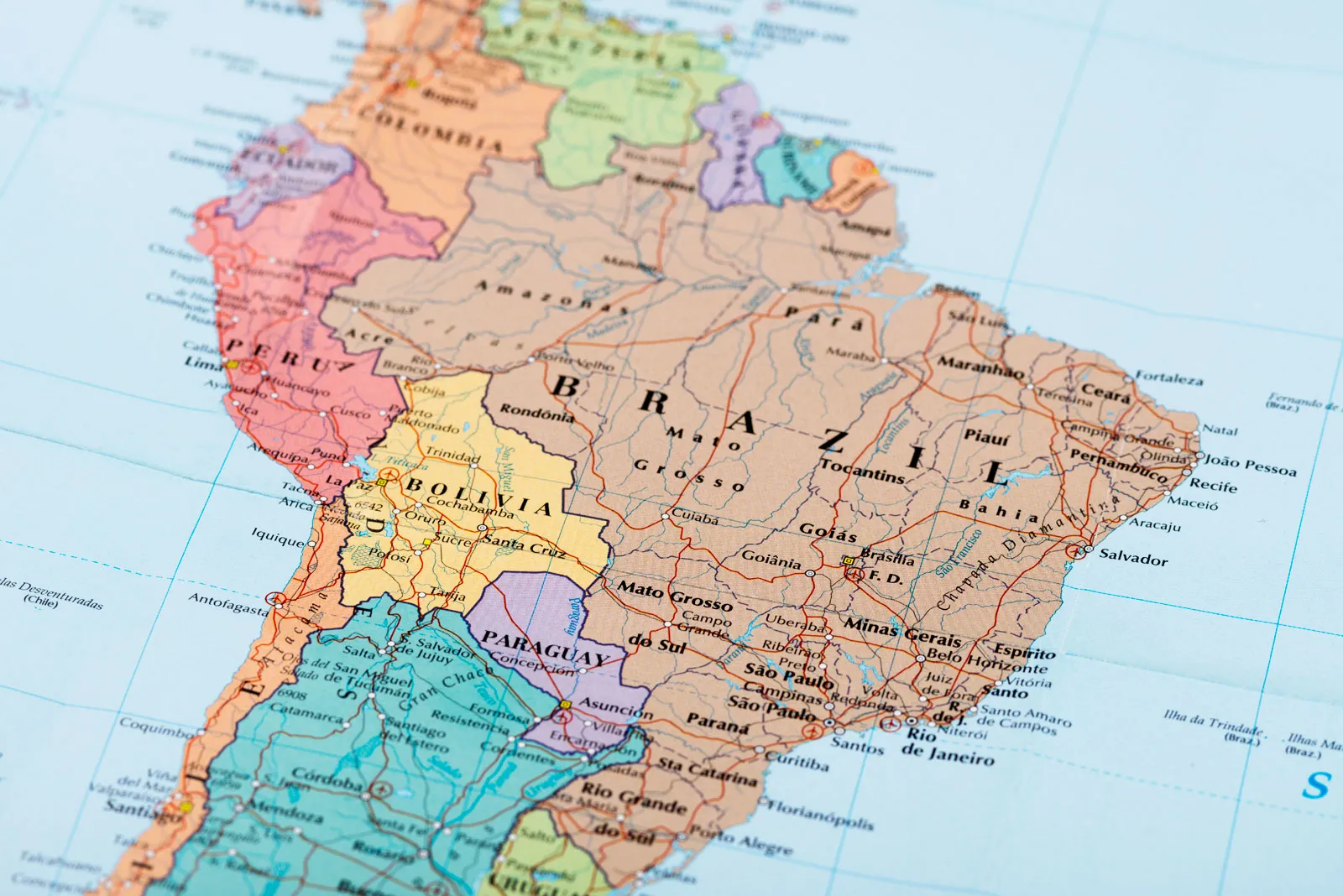
Regional/South America is one of the most exciting and diverse parts of the world. From snowy mountains to warm beaches, and from busy cities to deep jungles, Regional/South America offers something for everyone. Moreover, this region is full of colorful cultures, tasty food, ancient history, and friendly people. Because of its size and variety, many travelers feel amazed when they first explore Regional/South America. In this complete guide, you will learn about its countries, geography, culture, wildlife, economy, and travel tips in a simple and easy way.
What Is Regional/South America?
Regional/South America is the southern part of the American continent. It lies mostly in the Southern Hemisphere, and it connects to North America through Central America. Although many people think of it as one place, Regional/South America includes 12 independent countries and several territories. These countries include Brazil, Argentina, Colombia, Peru, Chile, Ecuador, Bolivia, Paraguay, Uruguay, Venezuela, Guyana, and Suriname. In addition, French Guiana is a territory of France located in this region. Because each country has its own language, culture, and traditions, Regional/South America feels both united and wonderfully diverse at the same time.
Geography of Regional/South America
Regional/South America has some of the most beautiful landscapes on Earth. For example, the Amazon Rainforest spreads across several countries and covers millions of square miles. It is the largest tropical rainforest in the world. Moreover, the Andes Mountains run along the western side of the continent, forming the longest mountain range on Earth. These mountains pass through countries like Chile, Peru, Ecuador, and Bolivia. In contrast, the eastern side of Regional/South America has wide rivers, green plains, and long coastlines along the Atlantic Ocean. Because of this wide range of landforms, the climate also changes from place to place, and therefore travelers can experience snow, heat, rain, and sunshine in one region.
Countries That Make Up Regional/South America
Each country in Regional/South America has its own special identity. For instance, Brazil is the largest country in the region and is famous for its Carnival festival and football culture. Argentina, on the other hand, is known for tango dancing and delicious steak. Meanwhile, Peru attracts visitors with its ancient Inca ruins and rich history. Colombia offers colorful cities and beautiful beaches, while Chile stretches along the Pacific coast with deserts in the north and glaciers in the south. Because of these differences, Regional/South America feels like many worlds combined into one amazing region.
Culture and Traditions in Regional/South America
Regional/South America has a rich mix of cultures. Indigenous groups lived here for thousands of years before European explorers arrived. Later, Spanish and Portuguese colonizers influenced language, religion, and architecture. As a result, most countries speak Spanish, while Brazil speaks Portuguese. Furthermore, African traditions also shaped music, dance, and food in many areas. For example, samba music in Brazil has African roots, and Andean music reflects indigenous heritage. Because of this blend, Regional/South America has a unique cultural identity that feels lively and colorful.
Languages Spoken in Regional/South America
Spanish is the most widely spoken language in Regional/South America. However, Portuguese is spoken by most people because Brazil has a very large population. In addition, people in Guyana speak English, while Suriname uses Dutch. Indigenous languages such as Quechua and Guarani are still spoken in several countries. Therefore, language diversity is an important part of Regional/South America. Even though many languages exist, people often learn basic English in tourist areas, so travelers usually find it easy to communicate.
Food and Cuisine in Regional/South America
Food in Regional/South America tastes rich and flavorful. For example, Brazil offers feijoada, a dish made with beans and meat. Argentina serves grilled beef called asado. Peru is famous for ceviche, which is fresh fish marinated in lime juice. Moreover, Colombia serves arepas, which are corn cakes filled with cheese or meat. Because the region grows many fruits and vegetables, fresh ingredients play a big role in daily meals. In addition, street food markets are popular in many cities, so visitors can try local flavors easily and affordably.
Famous Landmarks in Regional/South America
Regional/South America is home to many world-famous landmarks. For instance, the ancient city of Machu Picchu in Peru attracts millions of visitors every year. The Christ the Redeemer statue in Rio de Janeiro stands high above the city and offers amazing views. Moreover, Iguazu Falls, located between Brazil and Argentina, is one of the largest waterfall systems in the world. In addition, the Atacama Desert in Chile is known as one of the driest places on Earth. Because of these natural and historical wonders, Regional/South America draws travelers from every corner of the globe.
Wildlife in Regional/South America
Wildlife in Regional/South America is incredibly diverse. The Amazon Rainforest alone contains thousands of animal species. For example, jaguars, sloths, monkeys, and colorful parrots live in this region. Moreover, the Galápagos Islands near Ecuador are famous for unique animals like giant tortoises. In the Andes Mountains, you can see llamas and condors. Because of this rich biodiversity, scientists and nature lovers study Regional/South America closely. However, conservation efforts are very important, since deforestation and climate change threaten many habitats.
Climate and Weather in Regional/South America
The climate in Regional/South America changes depending on location. Near the equator, the weather stays warm and humid most of the year. However, in southern countries like Argentina and Chile, winters can be cold and even snowy. Coastal areas often have mild temperatures, while high mountain regions feel cooler. Because the continent stretches from north to south, it covers many climate zones. Therefore, travelers should check the weather before planning a trip to Regional/South America.
Economy and Industry in Regional/South America
Regional/South America has growing economies. For example, Brazil has one of the largest economies in the region, with industries like agriculture, mining, and manufacturing. Argentina and Chile export products such as beef, wine, and copper. Moreover, Colombia produces coffee that people enjoy around the world. Tourism also plays an important role, since many visitors explore historical sites and natural wonders. Although some countries face economic challenges, many governments work to improve education, trade, and technology across Regional/South America.
Education and Daily Life in Regional/South America
Education systems in Regional/South America vary by country, yet most children attend primary school. In large cities, universities offer programs in science, business, and arts. Daily life often includes family gatherings, outdoor markets, and community festivals. Because family values remain strong, people often spend weekends together. In addition, music and dance play a big role in celebrations. Therefore, life in Regional/South America feels warm, social, and community-focused.
Travel Tips for Visiting Regional/South America
If you plan to visit Regional/South America, you should prepare carefully. First, check visa rules for your country. Next, learn a few basic Spanish or Portuguese phrases, since locals appreciate the effort. Moreover, pack clothing suitable for different climates, especially if you travel across multiple countries. Because transportation distances can be long, plan your routes in advance. Finally, respect local customs and traditions, so you can enjoy a safe and friendly experience in Regional/South America.
Best Time to Explore Regional/South America
The best time to visit Regional/South America depends on where you go. For example, the dry season in the Amazon makes jungle tours easier. However, summer in southern countries like Argentina runs from December to February. Therefore, seasons are opposite compared to North America and Europe. Because of this difference, travelers should research weather patterns before booking flights. With proper planning, you can enjoy Regional/South America at its best.
Why Regional/South America Is So Popular
Regional/South America attracts millions of visitors each year. People come for adventure, culture, history, and natural beauty. Moreover, travelers enjoy activities such as hiking in the Andes, exploring rainforests, relaxing on beaches, and tasting local dishes. Because the region offers both city life and wild nature, it appeals to many different interests. In addition, friendly locals often welcome tourists warmly, which makes the experience even more memorable.
Challenges Facing Regional/South America
Although Regional/South America has many strengths, it also faces challenges. Some countries struggle with poverty and political instability. Moreover, environmental issues such as deforestation and pollution threaten ecosystems. However, local communities and governments work together to find solutions. Because awareness continues to grow, many organizations support conservation and social development projects. Therefore, the future of Regional/South America depends on smart decisions and teamwork.
The Future of Regional/South America
Regional/South America has great potential for growth. Young populations, natural resources, and cultural richness create strong opportunities. Moreover, technology and innovation continue to expand in major cities. As trade increases with other continents, economic partnerships grow stronger. Because of these trends, many experts believe Regional/South America will play an even larger role in global development. With continued progress, the region can build a brighter future for its people.
Read more: Карта повітряної тривоги – унікальний гід для безпеки та оперативної інформації
Conclusion: The Heart of Regional/South America
Regional/South America stands as a region full of life, color, and opportunity. From the Amazon Rainforest to the Andes Mountains, and from lively festivals to peaceful villages, Regional/South America offers endless experiences. Moreover, its cultures blend history and modern life in a beautiful way. Because of its natural beauty and cultural strength, Regional/South America remains one of the most fascinating regions on Earth. Whether you travel there or simply study it, you will discover that Regional/South America leaves a lasting impression on the heart and mind.